Soft Washing Explained: The Safe Way to Clean a Cambridge Roof
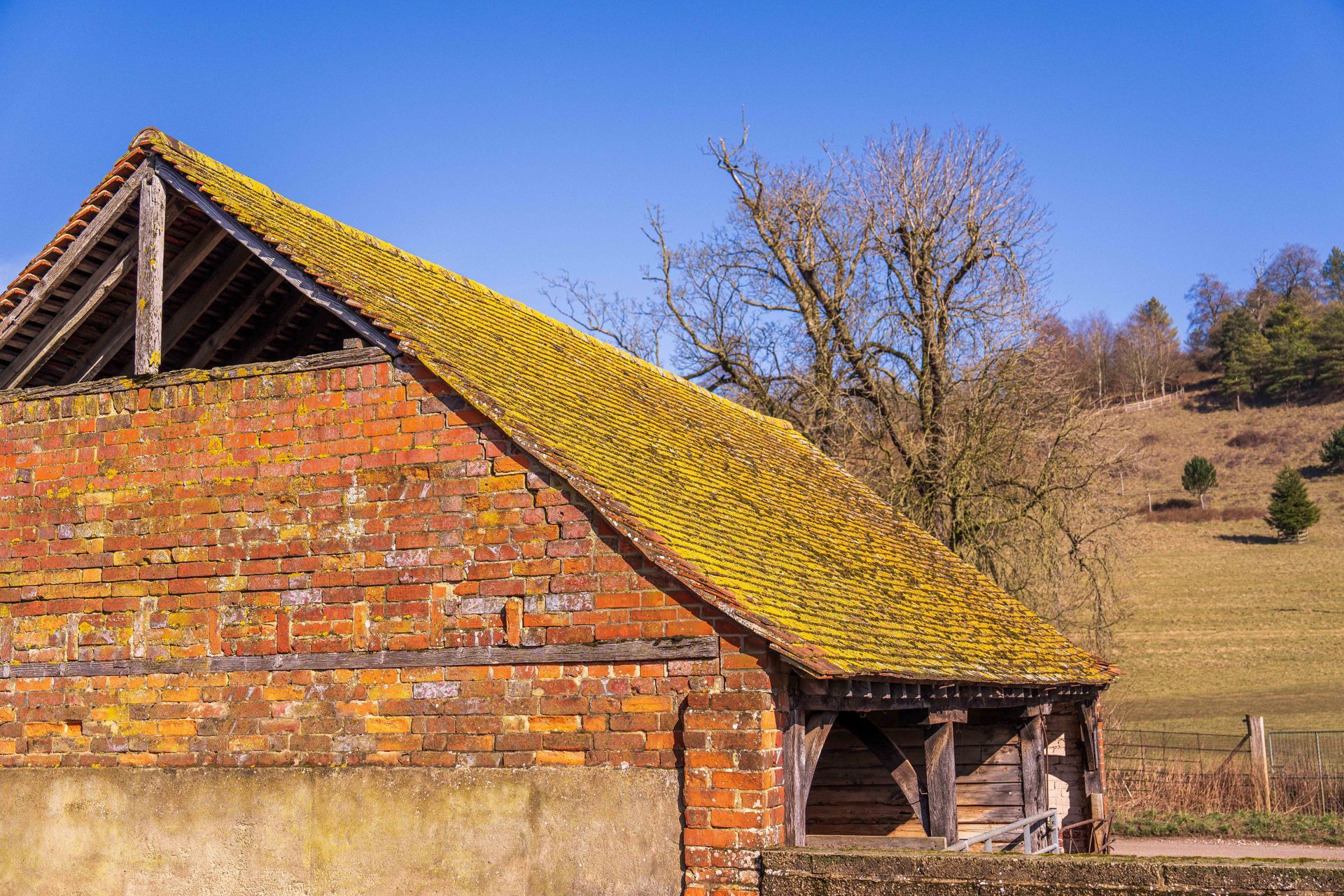
When homeowners first ask about getting a mossy roof cleaned, many picture a powerful jet of water blasting the green away. It seems logical, and the results look dramatic in the moment. The problem is that on most roofs, and on Cambridge's many older ones in particular, that approach can do far more harm than good.
There is a better, gentler method, and it is the one professionals rely on. Soft washing cleans a roof thoroughly while protecting the tiles and the structure beneath them. In this guide we will explain exactly what soft washing is, how it differs from pressure washing, and why it is the right choice for homes across Cambridge.
The quick answer: Soft washing uses low-pressure water combined with a specialist biocide that kills moss, algae and lichen at the root. Unlike high-pressure jet washing, it does not crack tiles or strip their surface, and because it treats growth rather than just blasting it off, the results last much longer.
1. What soft washing actually is
Soft washing is a roof cleaning method that relies on chemistry rather than brute force. Instead of trying to blast growth off with sheer water pressure, it applies a specialist biocide solution that kills moss, algae, lichen and the spores they leave behind. The water pressure involved is low, closer to a garden hose than a pressure washer, so the tiles are never subjected to a damaging force.
The biocide does the real work. It penetrates and kills the growth at the root, and it keeps working in the days and weeks after application. Much of the dead moss and algae then weathers away naturally with wind and rain, leaving a clean, even surface. Where needed, loosened material can be gently cleared without ever resorting to high pressure.
Because it treats the underlying growth rather than just removing what is visible, soft washing tackles the cause, not only the symptom. That is the key difference that makes it both safer and longer lasting.
2. Why pressure washing can damage a roof
High-pressure washing removes moss quickly, but it is a blunt instrument. The force needed to strip growth off tiles is also enough to erode the protective surface of concrete tiles, driving them towards faster ageing and more growth in future. On older clay tiles and natural slate, common across Cambridge, that pressure can chip, crack and dislodge tiles outright.
Just as damaging is what happens to the water. High-pressure jets force water up under the tiles and into gaps that are designed to shed water downwards, not take it in. That water can end up in the roof space, soaking felt, battens and insulation, and it can work mortar loose from ridges and verges. The visible result looks clean, but hidden damage may have been done.
Because pressure washing only removes surface growth and leaves the spores behind, the moss also tends to come back quickly. Homeowners can find themselves repeating an aggressive, damaging clean every couple of years, accelerating wear each time.
3. Why soft washing suits Cambridge roofs
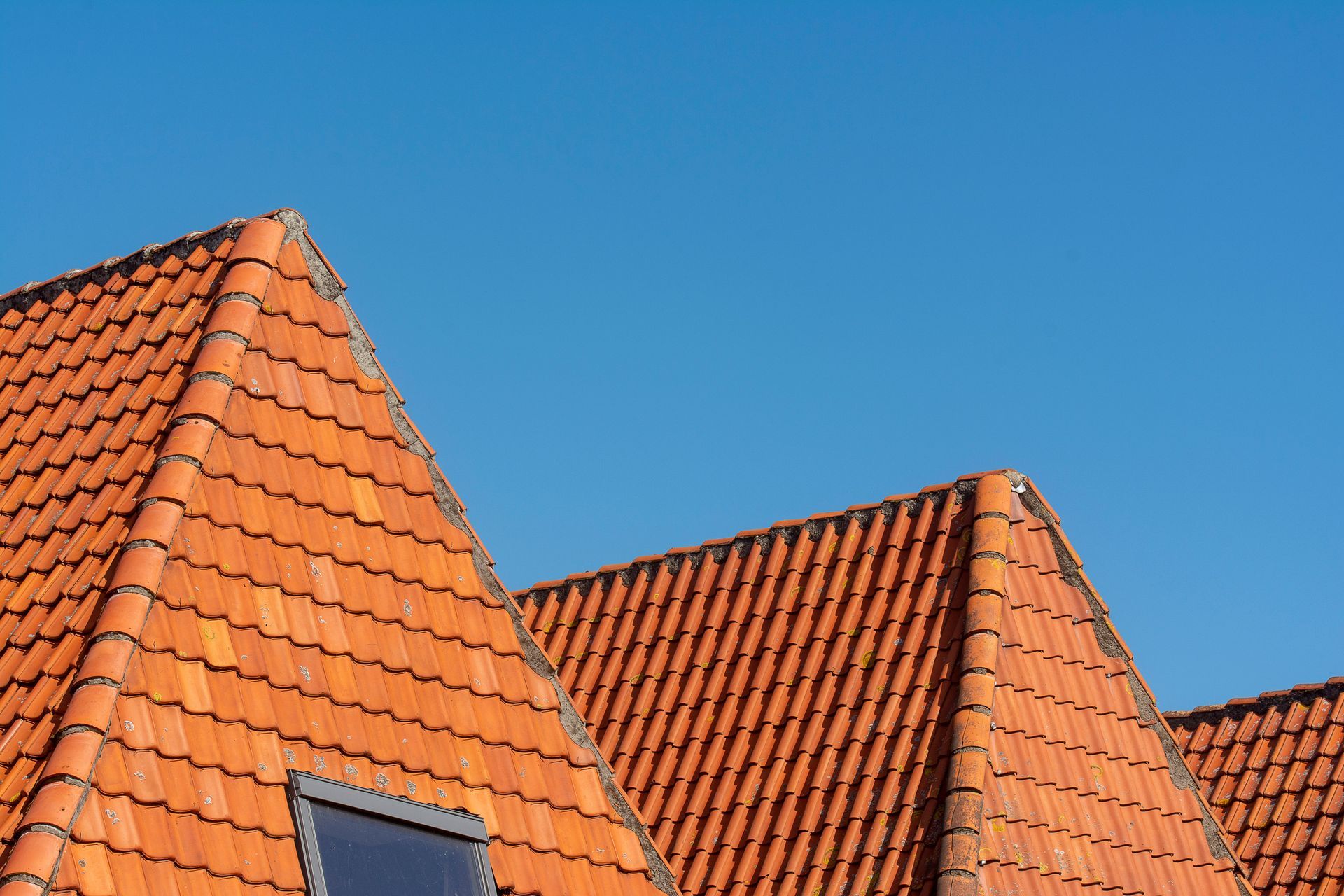
Cambridge has an unusually high proportion of period and character homes, many with original clay tile or slate roofs that deserve careful handling. Soft washing is ideally suited to these roofs because it cleans effectively without putting the delicate, ageing surfaces under any strain. For listed buildings and homes in conservation areas, this gentle approach is often the only responsible option.
The method also works with the local climate rather than against it. Because Cambridge's damp, humid conditions encourage growth to return, the lasting effect of the biocide is a real advantage. A soft-washed roof stays cleaner for far longer in these conditions than one that has simply been blasted clean, which means fewer treatments over the years.
Whether your home is a Victorian terrace, a 1930s semi or a more modern build, soft washing adapts to the roof rather than forcing a one-size-fits-all approach onto it.
4. What to expect during a soft wash
A soft wash begins with a proper look at the roof to assess the type and extent of growth and the condition of the tiles. We check for any slipped or damaged tiles and note anything that needs attention before cleaning begins. Ground and surrounding areas such as plants and paths are protected as needed.
The biocide solution is then applied evenly across the roof using low-pressure equipment, ensuring full coverage into the areas where moss and algae are most established. There is no thunderous noise and no torrents of dirty water cascading off the roof, which makes it a far less disruptive process for you and your neighbours, an important consideration on Cambridge's close-set streets.
After treatment, the growth dies back and continues to weather away over the following weeks. The change is gradual rather than instant, but the end result is a clean roof that stays that way, which is exactly the outcome most homeowners are really after.
5. How long soft washing results last
Because soft washing kills growth at the root and the biocide keeps working after application, the results are considerably more durable than a surface clean. Rather than moss reappearing within a year or two, a properly soft-washed roof can stay clean for several years, depending on how shaded and tree-covered the property is.
You can extend those results with simple maintenance. Keeping gutters clear, cutting back overhanging branches where practical and having the roof checked periodically all help slow regrowth. In Cambridge's damp conditions no roof stays pristine forever, but soft washing gives you the longest clean period for the least impact on the tiles.
- Low pressure, high effect: gentle water with biocide cleans without stressing the tiles.
- Treats the cause: killing growth at the root means it takes far longer to return.
- Ideal for older roofs: safe for the clay tile and slate common across Cambridge.
- Longer-lasting results: fewer treatments over the years compared with pressure washing.
6. When a roof needs more than cleaning
Soft washing is the right answer for the vast majority of dirty, mossy roofs, but part of a professional service is being honest when a roof needs something more. During the initial assessment we will point out any slipped, cracked or missing tiles and any worn mortar that should be dealt with, so cleaning is not masking a problem that needs a repair.
Addressing these issues before or alongside cleaning means the roof is left genuinely sound, not just looking better. For older Cambridge homes, where small maintenance jobs left unattended can grow into larger ones, this careful eye is a valuable part of the visit. Cleaning and sensible upkeep together are what keep a roof performing for decades.
If your roof simply needs freshening up and protecting, soft washing is the safe, effective choice that respects the building it sits on.
Frequently Asked Questions
Is soft washing safe for old clay tile and slate roofs?
Yes, that is one of its main advantages. The low pressure means fragile, ageing tiles are not subjected to the force that pressure washing applies, making it well suited to Cambridge's period roofs.
How is soft washing different from pressure washing?
Pressure washing blasts growth off with high-force water, which can damage tiles and force water under them. Soft washing uses low pressure and a biocide that kills growth at the root, so it is gentler and longer lasting.
Will my roof be clean immediately?
The biggest change appears over the following days and weeks as the treated growth dies back and weathers away. The result is a gradual, thorough clean rather than an instant blast.
How long will the results last?
Because the biocide treats growth at the root and keeps working after application, results typically last several years, longer than pressure washing, especially with simple ongoing maintenance.
Is soft washing messy or disruptive?
No. It is a quiet, low-pressure process without the noise and cascading dirty water of pressure washing, which makes it considerate for neighbours on Cambridge's close-set streets.
Want your roof cleaned the safe way?
Ben's Roof Cleaning brings over 15 years of experience in gentle, effective soft washing across Cambridge and Cambridgeshire. Get in touch or call 01223 320662
for a free, no-obligation quote.
Soft washing is how a Cambridge roof gets clean and stays that way
The instinct to blast a roof clean is understandable, but it is rarely the right one. Soft washing delivers a thorough, lasting clean while protecting the tiles and structure that a pressure washer can quietly damage. For Cambridge's older and character homes especially, it is the method that respects the roof while getting the job done properly.