Why Cambridge Roofs Attract Moss and How to Deal With It
If you live in Cambridge, you have probably noticed how quickly a patch of green can spread across a roof. One season the tiles look clean, and by the next there are dark streaks and cushions of moss clinging to the slopes. It is one of the most common things homeowners across the city ask us about, and it is rarely a sign that anything is wrong with your workmanship or your materials.
The truth is that Cambridge sits in a setting that moss and algae find close to ideal. Understanding why your roof attracts growth in the first place makes it far easier to keep on top of it. In this guide we will walk through the local factors at play, what moss actually does to a roof over time, and the safest way to bring tiles back to a clean, healthy condition.
The quick answer: Cambridge roofs attract moss because the flat, low-lying fenland landscape holds moisture, damp mornings and mist are common, and mature trees across the older parts of the city keep many roofs in shade. The safe fix is gentle soft washing rather than aggressive pressure blasting, followed by simple maintenance to slow regrowth.
1. Cambridge's flat, low-lying landscape holds moisture
Cambridge and the surrounding fenland sit on some of the flattest, lowest ground in the country. Water does not drain away from this landscape as quickly as it does from hillier parts of Britain, and the high water table means the air near ground level often stays humid even when the sky is clear. That lingering moisture is exactly what moss and algae need to establish themselves.
Roofs are the first surface to feel this dampness each morning. As the sun rises, tiles that have been cool overnight collect condensation, and in the flat fen air that moisture is slow to burn off. Over weeks and months this repeated cycle of wetting and slow drying creates a surface where spores can settle, take hold, and begin to spread across the slope.
North-facing slopes suffer the most, because they receive the least direct sun and stay damp for the longest part of the day. If one side of your roof looks noticeably greener than the other, this is almost always the reason.
2. Damp mornings, mist and river air keep tiles wet
Anyone who walks or cycles into Cambridge early in the year knows how often the city wakes up to mist. The River Cam and the network of drainage channels across Cambridgeshire feed moisture into the air, and on still mornings that produces the low fog that drifts across the meadows and settles over rooftops. It is atmospheric to look at, but it keeps roof surfaces damp for hours.
East Anglia is actually one of the drier regions of the UK when you measure total rainfall, which surprises many people. The issue in Cambridge is not the volume of rain but the humidity and the slow drying. A roof does not need heavy downpours to grow moss. It simply needs to stay damp for long enough, often enough, and the local climate delivers exactly that.
Have you noticed your roof looks darkest and greenest in autumn and early spring? Those are the seasons when mist and dew linger longest, giving growth the perfect conditions to accelerate.
3. Mature trees and shaded streets add to the problem
Many of Cambridge's most desirable residential streets are lined with mature trees, from the Victorian terraces of Romsey and Mill Road to the leafier avenues out towards Trumpington and Newnham. Those trees are part of what makes the city such a pleasant place to live, but they also cast long shadows across roofs and drop leaves and organic debris throughout the year.
Shade keeps a roof cool and damp, which slows drying and encourages moss. Fallen leaves collect in valleys and gutters, break down into a rich organic layer, and give spores somewhere to root. Overhanging branches also brush against tiles and hold a permanent film of moisture against the surface. The combination of shade and debris is one of the strongest predictors of how much growth a roof will develop.
4. Cambridge's older housing stock is especially vulnerable
Cambridge has a large stock of period and Victorian homes, along with older clay tile and natural slate roofs. These traditional materials are beautiful and hard-wearing, but their surfaces are often slightly more textured and porous than modern concrete tiles, which gives moss more to grip onto and more moisture to draw from.
Older roofs may also have subtle dips, worn areas and aged mortar where water sits a little longer. In conservation areas and around the many listed and character properties in the city, keeping these roofs clean matters for appearance as well as protection. A tired, moss-covered roof can make an otherwise handsome period home look neglected, while a clean roof lets the original character shine.
5. What moss actually does to your roof over time
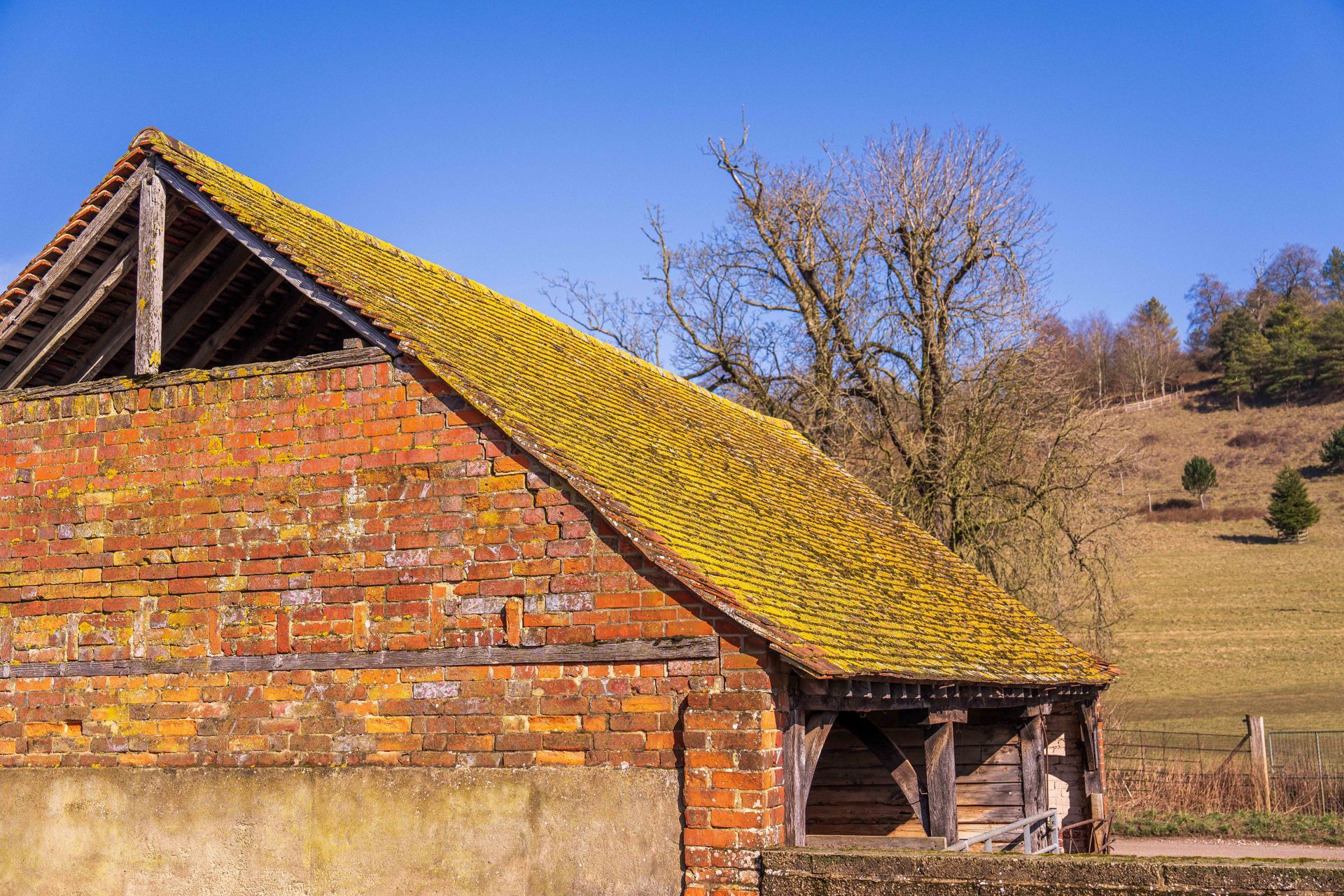
Moss is not just a cosmetic issue. As it grows, it holds water against the tiles like a sponge, keeping the surface wet for far longer than it would naturally stay. That constant dampness accelerates wear and, in freezing weather, water trapped in and under the moss can freeze, expand and lift or crack tiles.
Clumps of moss also break away and wash down the roof, where they collect in gutters and downpipes. Blocked gutters overflow, sending water down walls and towards foundations instead of away from the property. Left unchecked, what began as a bit of green on the tiles can lead to damp patches inside the home and far more expensive repairs.
Catching growth early and dealing with it properly is always cheaper and easier than waiting until it has caused damage. A clean roof simply lasts longer.
6. The safe way to remove moss from a Cambridge roof
The single most important thing to know is that high-pressure jet washing is the wrong tool for most roofs. Blasting tiles at high pressure can strip protective surfaces, force water under the tiles and dislodge them, often causing more damage than the moss ever would. On older Cambridge roofs in particular, this approach can be genuinely harmful.
The method we use is soft washing. This combines low-pressure water with a specialist biocide treatment that kills moss, algae and lichen at the root rather than just knocking the surface growth off. The treatment keeps working after we leave, so the roof stays cleaner for longer and regrowth is significantly slowed. It is gentle on tiles, mortar and the wider structure while being tough on the growth itself.
Alongside the roof itself, clearing gutters and removing the debris that feeds moss makes a real difference. A well-maintained roof and drainage system is far more resistant to the damp Cambridge conditions that cause growth in the first place.
- Avoid pressure washing: it can crack tiles and strip their protective surface, especially on older roofs.
- Choose soft washing: low-pressure cleaning with biocide treats growth at the root and slows its return.
- Keep gutters clear: removing organic debris starves moss of the material it needs to spread.
- Act early: treating light growth is quicker, cheaper and safer than tackling an established covering.
Frequently Asked Questions
Why does my Cambridge roof grow moss so quickly?
The flat fenland setting holds moisture, damp mornings and mist keep tiles wet, and mature trees across the city keep many roofs shaded. Together these conditions are close to ideal for moss and algae.
Is moss actually damaging or just unsightly?
Both. It looks untidy, but it also holds water against tiles, can lift or crack them in frost, and washes into gutters where it causes blockages and overflow that can lead to damp inside the home.
Can I just pressure wash the moss off myself?
We strongly advise against it. High pressure can crack tiles, strip protective surfaces and force water under the roof covering. Soft washing is the safe, effective alternative, especially on Cambridge's many older roofs.
How long will my roof stay clean after treatment?
Because soft washing treats growth at the root and the biocide keeps working after application, results last far longer than a simple surface clean. Regular gutter clearing and occasional maintenance help keep it that way.
Do you work on period and listed properties?
Yes. We regularly clean older clay tile and slate roofs across Cambridge and take a careful, gentle approach suited to period and character homes.
Is moss taking hold on your Cambridge roof?
Ben's Roof Cleaning brings over 15 years of experience in safe, effective roof cleaning across Cambridge and Cambridgeshire. Get in touch or call 01223 320662
for a free, no-obligation quote.
A clean roof is the natural state your Cambridge home should keep
Moss on a Cambridge roof is not a sign of neglect, it is simply the result of living in a damp, low-lying, tree-lined city. With the right gentle treatment and a little ongoing care, there is no reason to let it take hold. Treating growth safely protects your tiles, your gutters and the character of your home for years to come.